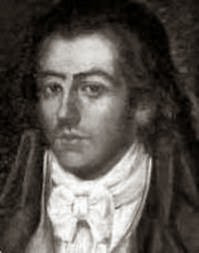
Antonio de Literes · Baroque
1673 – 1747
s. XVIII · Flamenco songs for voice, violins and continuous · Madrid
Tonality
Without a unique tone. It is a repertoire of several cantons and each has his own.
Instruments
- Solo voice.
- Violins in many of the cantons.
- Under continuous.
From the atril
In the 18th century Spain they were called «human rights» the profane cantons, to distinguish them from the «divine» or religious. Literes wrote several, in Spanish, for voice with violins and continuous: short pieces of love or pastoral theme, designed for the salons of the Madrid nobility and for the court itself.
They are the place where you best see how a Spanish composer adopted the Italian cantata. The structure is that of Scarlatti, repetitive and aria, but the prosody of the Spanish changes the character of the music completely: the accents fall in other places and the melodies have another balance. When playing them, violins dialogue with the voice with a lot of grace and the continuum can afford guitar or harp colors.
What to hear
- How the Italian form is adapted to the accentuation of the Spanish.
- The dialogue of the violins with the voice in the Asians.
- The pastoral images of the text translated into dance rhythms.
Listen
Antonio Literes: Already on the horizon (Singing to the Most Holy, S. XVIII) · Psalle et Sile
When you press the YouTube player will be loaded.

