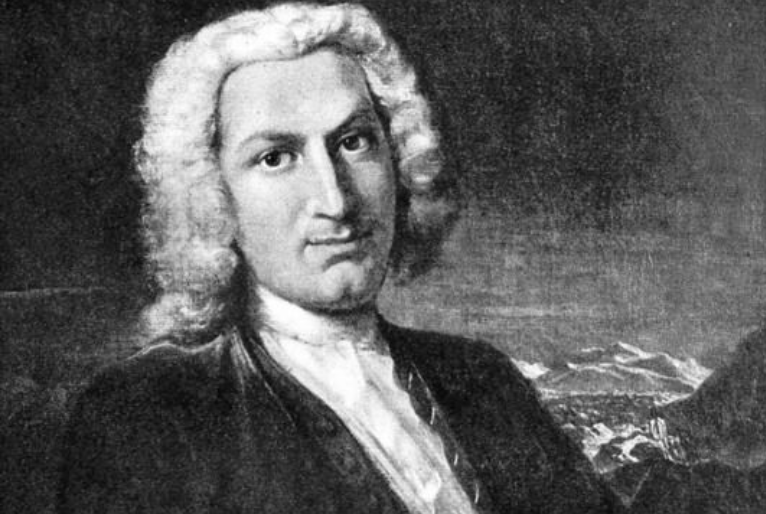
Jan Dismas Zelenka · Baroque
1679 – 1745
c. 1720 - 1722 · Oboes, fagot and continuous · Dresden
Tonality
Without a unique tone. It's six sonatas and each has his own.
Instruments
- 2 oboes (in a sonata, oboe and violin)
- Fagot
- Continuous bass (violone and key)
From the atril
These six sonatas, written around 1720, are of the most difficult camera works in the whole Baroque. They are designed for two oboes, fagot and continuous (in one of them the violin replaces an oboe), and probably for the extraordinary wind instrumentalists of the Dresden court. They remained forgotten until the mid-20th century; their rediscovery, with recordings of oboists like Heinz Holliger, aroused modern interest in Zelenka.
I can INTEREST you.

The first thing that surprises is the fagot, which ceases to be a simple bass and becomes a third soloist, with cutting passages and huge jumps. The oboes have to resist very long sentences without breathing. But it is not just virtuosism: the counterpoint is very dense, the harmonies are twisted with unexpected chromatism, and the slow movements have a very personal melancholy. For the musicians who play them are Everest; for those who listen to them, a constant surprise.
What to hear
- The virtuous passages of the fagot.
- The slow movements, of chromatic harmony.
- The leaks, very dense counterpoint.

