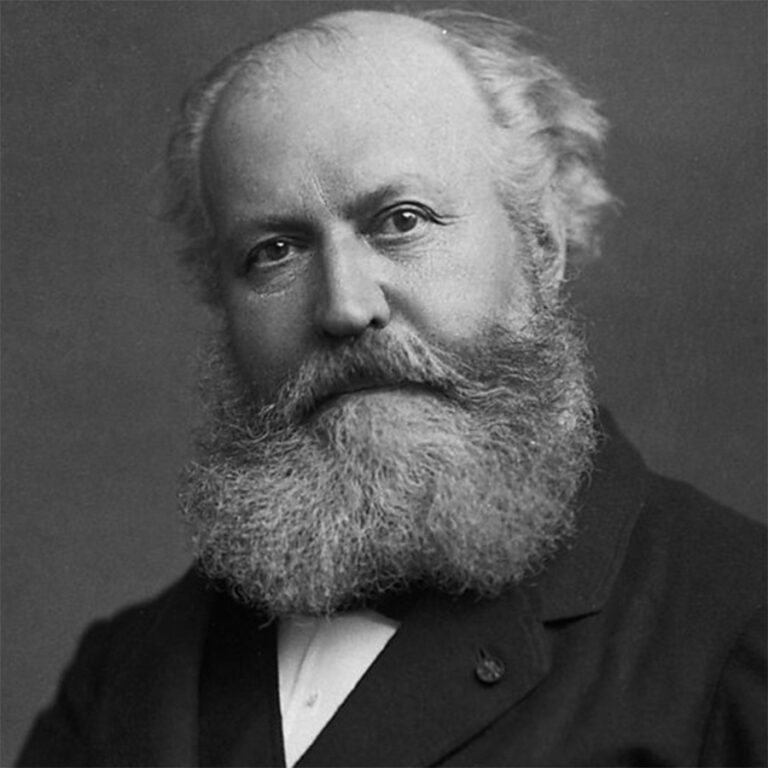
Charles Gounod · Romanticism
1818 – 1893
1864 · Opera · Théâtre Lyrique, Paris
Tonality
Without a unique tone. Like every opera, he goes through many tonalities along his aria, choirs and dances.
From the atril
Based on Mirèio, the Provençal poem of Frédéric Mistral, this opera tells the impossible love between Mireille, daughter of a rich farmer, and Vincent, a humble basket. Gounod traveled to Provence to get packed with his landscape and music before writing it. The end, with the death of heroin after crossing the Crau desert under a scorching sun, was so criticized that it was changed in later versions.
From the moat, the most attractive is provençal color: melodies of popular air, rhythms of farandola and sounds of pastors. The most famous aria is the waltz of Mireille, O légère hirondellethat light soprans worship for their brightness. But there are also dark and fantastic scenes, such as the Rhone, with apparitions of spirits in the waters. It's a less well-known opera than Faustbut a very special freshness.
What to hear
- The waltz O légère hirondelle.
- Provençal dances and melodies.
- The Crau desert scene.

