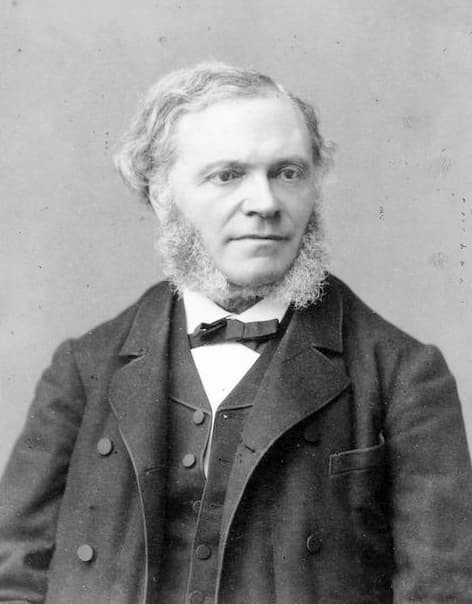
César Franck · Romanticism
1822 – 1890
1879 · Piano and string quartet · Paris
Tonality
From the atril
Few 19th century camera works have the intensity of this quintet. Franck dedicated it to Camille Saint- Saëns, who played the piano part at the premiere in 1880. The anecdote that, at the end, Saint-Saëns left the score on the piano and left without a word. It has been interpreted as a miscarriage, although no one knows what I thought. The truth is that the work caused a feeling for his almost Wagnerian passion.
From the atril it is an exhausting and fascinating work. Franck uses his cyclic procedure: a theme that appears in the first movement returns in the other two, transformed, giving unity to everything. The rope has passages of enormous emotional density, and the piano alternates moments of great power with others of intimacy. The slow movement, Slow with sentimental moltoIt's a painful tenderness. The end is a whirlwind that demands the five musicians all their energy.
What to hear
- The cyclic theme that reappears in the three movements.
- The slow movement, painful tenderness.
- The rolling end.

