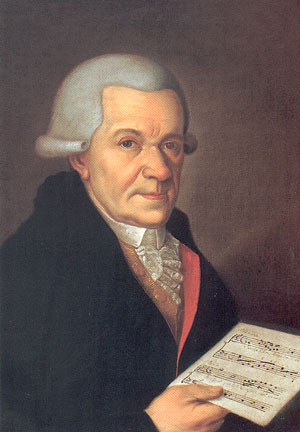
Michael Haydn · Classification
1737 – 1806
1771 · Mass of the deceased · Salzburg
Tonality
From the atril
In December 1771, Archbishop Sigismund von Schrattenbach, Mr. of Salzburg and patron of both Michael Haydn and the Mozart family, died. Haydn wrote for his exequities this Réquiem in minor, in a few weeks and in a moment of personal mourning, for he had just lost his little daughter. The young Mozart, 15, played in the orchestra or attended the premiere.
It is a work of a dramatic intensity surprising for its time, with a leading chorus, soloists, ropes, trumpets and thrombones that bend the voices, as was tradition in Salzburg. The introduction, serious and in do minor, the «Dies irae» and «Quam olim Abahae» They have an extraordinary force. Twenty years later, Mozart had this very present réquiem in writing his: the beginning of both holds a striking resemblance. It is, in its own right, one of the great masses of the deceased of the 18th century.
What to hear
- The Intro and its resemblance to Mozart's Réquiem.
- The «Dies irae» Stunning.
- The thrombons that bend the voices.

