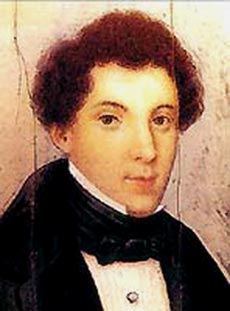
Juan Chrysostomo Arriaga · Classification
1806 – 1826
1820 · Opera overture · Bilbao
Tonality
No tonality indicated in the title.
From the atril
At the age of 13, Arriaga composed in Bilbao a semiseria opera in two acts, Happy slaves, which was successfully represented in his hometown. Only a few fragments are preserved from the opera, but the oberture survived and is now one of its most interpreted works.
It's hard to believe a child wrote it. It begins with a slow and expressive introduction and continues with a sparkling allego, full of rhythmic energy and fresh melodies, with a style that reminds Rossini, the fashion composer in those years, and Mozart's obertures. The orchestration is safe and effective: the winds have charming little solos and the ropes, bright passages. It is an ideal piece to open a short and bright concert, and the best presentation letter of this truncated talent.
What to hear
- The slow introduction.
- The proximar of rossinian taste.
- The little ones of the winds.

