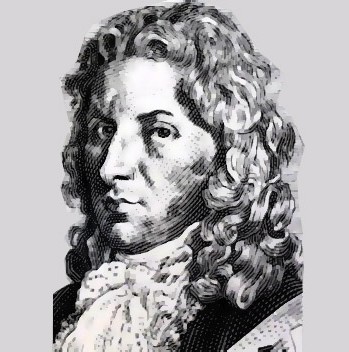
Johann Stamitz · Classification
1717 – 1757
1745 - 1757 · Symphonies · Mannheim
Tonality
Without a unique tone. Stamitz wrote over fifty symphonies and each has his own.
Instruments
- Row
- 2 oboes (or flutes) and 2 tubes
- In some, trumpets and timbals
- Continuous low
From the atril
Before Haydn, the symphony was a short piece, often an opera overture in three movements. Johann Stamitz, head of the Mannheim orchestra, was one of those who made it an independent concert genre, with four movements and a minute in third place. He wrote about fifty-eight, very widely in Paris and London.
His symphonies are made to show the virtues of his orchestra, the most disciplined in Europe: the famous crescendo of Mannheim, in which the whole orchestra increases the volume little by little over a repeated figure; the «rocket», an ascending and fast arpeggio; the sudden contrasts between forte and piano; and the winds with their own parts, not just by bending the strings. Listening today may seem simple, but in their time they caused a feeling, and left a deep mark on young Mozart.
What to hear
- Mannheim's crescendo.
- The «rocket», arpeggio ascending at the beginning.
- The minuets in third place.

