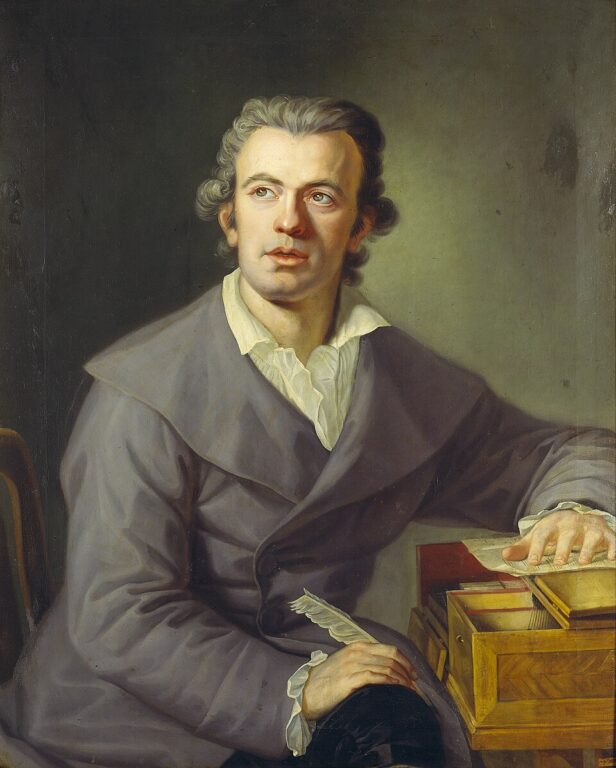
Johann Gottlieb Naumann · Classification
1741 – 1801
1786 · Opera · Copenhagen
Tonality
Without a unique tone. Like every opera, he goes through many tonalities throughout his scenes, dances and chorus.
From the atril
The same year he premiered Gustaf Wasa in Stockholm, Naumann presented in Copenhagen Orpheus og EurydikeThe first great opera would be in Danish. As in Sweden, the Danish court was looking for a lyrical theatre in its own language, and Naumann became a key piece of that project.
The myth of Orpheus, which descends to the inns to rescue his wife, had been the subject of the operational reform of Gluck, and Naumann clearly follows that model: continuous scenes, chorus that intervene in the drama, expressive and aryan recitations without virtuostic excesses. The infernal scenes, with chorus of furies, and the laments of Orpheus are the most intense moments. It is an important work to understand how Gluck's ideals spread in northern Europe.
What to hear
- The fury chorus in hell.
- Orpheus's laments.
- The influence of Gluck's reform.

