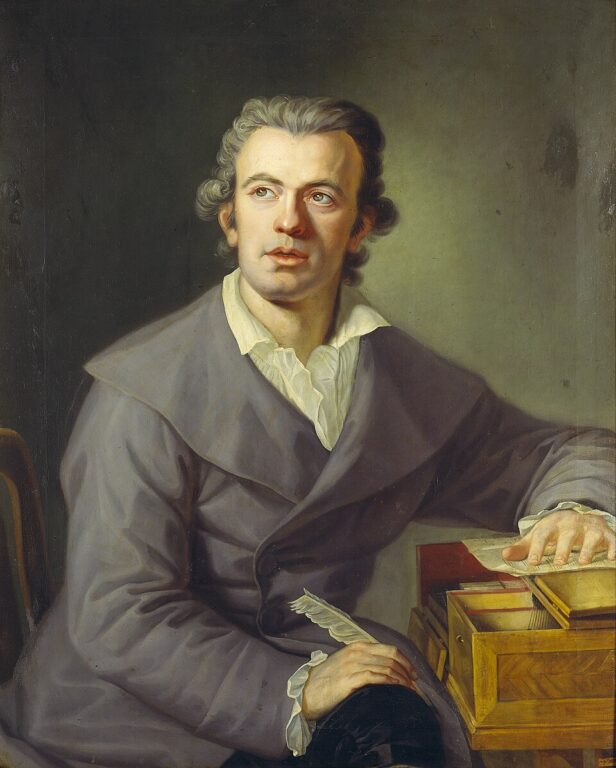
Johann Gottlieb Naumann · Classification
1741 – 1801
1786 · Opera · Stockholm
Tonality
Without a unique tone. Like every opera, he goes through many tonalities throughout his scenes, dances and chorus.
From the atril
Gustaf Wasa, released in Stockholm in 1786, is considered the Swedish national opera. The idea came from Gustavo III himself, who outlined the argument, and the libretto was written by the poet Johan Henric Kellgren. It tells how Gustavo Vasa released Sweden from the rule of the Danish King Christian II in the 16th century, a story that the monarch used to strengthen national pride.
It is a great heroic opera, with village choirs and soldiers, battle scenes, marches and a triumphant ending. Naumann writes a music of great breath, with a rich orchestra and imposing chorus that anticipate the great French opéra of the 19th century. The accompanied recites have a remarkable drama. In Sweden it was represented for decades as a patriotic event, and remains a milestone in the country's musical history.
What to hear
- The people's and soldiers' chorus.
- The recites accompanied.
- The triumphant end.

