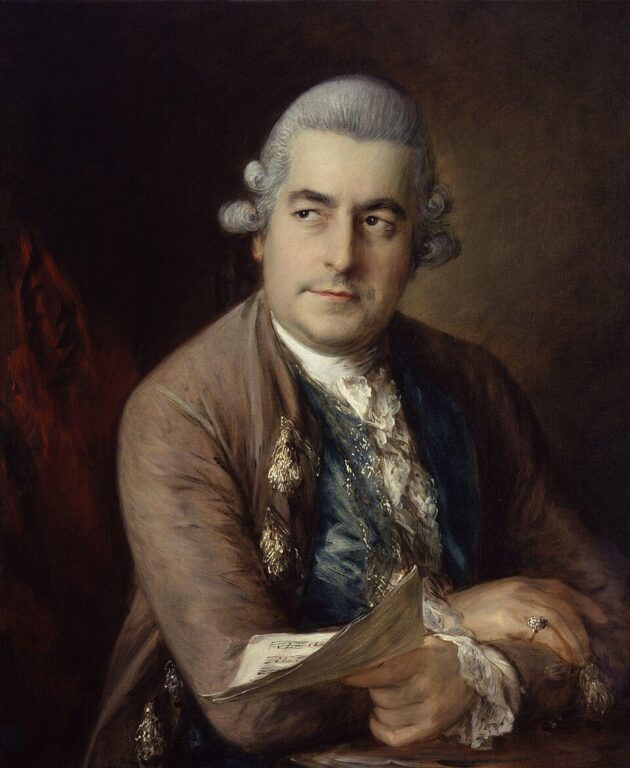
Johann Christian Bach · Classification
1735 – 1782
1781 · Symphonies · London
Tonality
Without a unique tone. It's six symphonies and each has his own.
Instruments
- Flutes, oboes, clarinet, flashes and tubes, according to the symphony
- Row
- No 1, 3 and 5, for double orchestra
From the atril
The six symphonies op. 18, published in London in 1781, a year before the composer's death, are the most mature of his orchestral production. Several come from obertures of their operas, something usual then, and three of them are written for double orchestra, a very rare arrangement at the time.
In the symphonies for double orchestra, the two groups respond in echo, share the themes and join in the Tutti, with a very attractive spatial effect in concert. My major bemol, the most well-known, has a slow movement of great delicacy. In all, Bach uses the winds freely, as soloist colors and not just filler, something he learned in Mannheim. They are bright and well-built works, the perfect link between the Welsh symphony and the great symphonies of Haydn and Mozart.
What to hear
- The echo effect on the symphonies for double orchestra.
- The slow movement of the symphony in my big bemol.
- The winds used as soloist colors.
Listen
Johann Christian Bach 6 Symphonies op.18, Karl Munchinger · harpsichordVal
When you press the YouTube player will be loaded.

