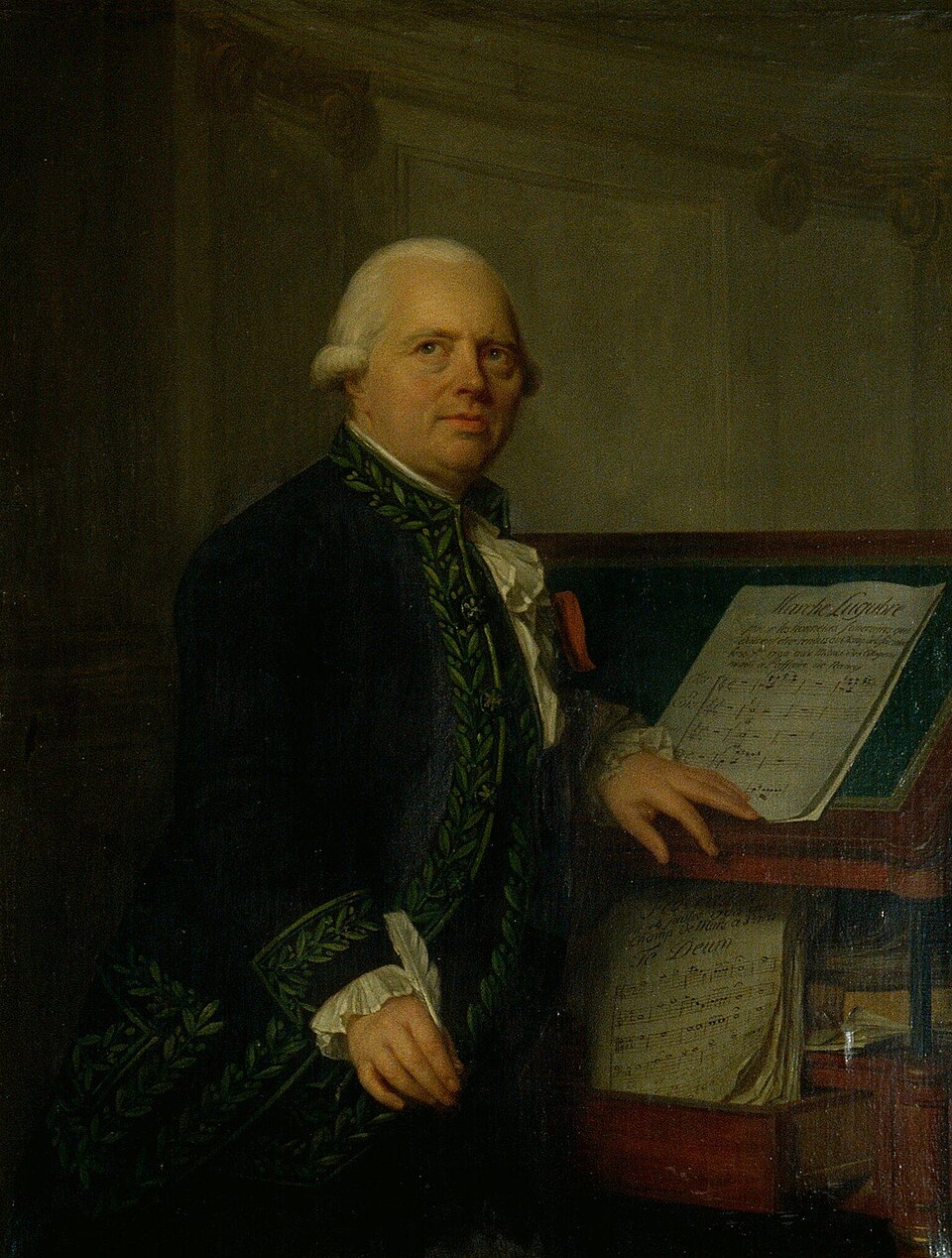
François-Joseph Gossec · Classification
1734 – 1829
1786 · Opera · Paris
Tonality
No tonality indicated in the title. It is known mainly in arrangements for different instruments, which do not always retain the original tonality.
From the atril
Gossec wrote many operas, almost forgotten today, but a little dance from one of them, RosineHe's turned the world around. It's the famous one. «Gavota de Gossec», arranged for all types of instruments and known especially by violinists, because it is part of the methods of initiation. Many of us touched her as children without knowing where she came from.
That's why touching her has some nostalgia. It is a light and saltarine melody, with minced notes and an elegant rhythm of courtesan dance, which forces a clean and light staccato to work. Behind his apparent simplicity, he asks for grace and precision: if he plays with nightmares, he loses all his charm. In its original orchestral version, with the dialogue between the ropes and the winds, it recovers the theatrical air of the opera from which it came out.
What to hear
- The saltarine melody with minced notes.
- The original orchestral version.
- The arrangements for violin and piano.
Listen
French composer François Gossec (1734-1839). Gavot from opera Rosine. 01.13.22 · Gennady Gavnin
When you press the YouTube player will be loaded.

