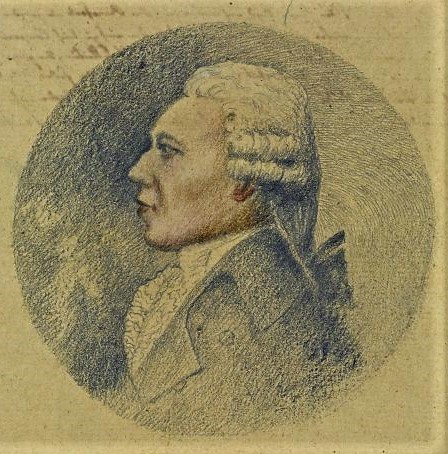
Carl Stamitz · Classification
1745 – 1801
c. 1770 - 1800 · Orchestra · Mannheim, Paris and London
Tonality
Without a unique tone. Carl Stamitz wrote dozens of symphonies and each has his own.
Instruments
- Row
- Oboes (or flutes) and tubes
- In some, clarinet, flare, trumpets and timbals
From the atril
Carl Stamitz grew up in the Mannheim orchestra, the most famous in Europe in the mid-18th century, of which his father Johann had been the great driver. He wrote about fifty symphonies that bear the mark of that school: rhythmic energy, orchestral discipline and the famous effects of Mannheim.
For the orchestra, the most characteristic are these effects: the long and gradual crescendo, which then astonished the public; the «Mannheim rocket», an ascending arpeggio that goes up like a shot; «sigh», down notes in pairs. To touch these symphonies allows you to feel from within the techniques that Mozart learned during his stay in Mannheim and that he would then use in his works. They are short, bright and full of vitality.
What to hear
- Mannheim's crescendo.
- The «rocket», the arpeggio that goes up like a shot.
- The sharp contrasts of forte and piano.

