Antonio Soler · Classification
1729 – 1783
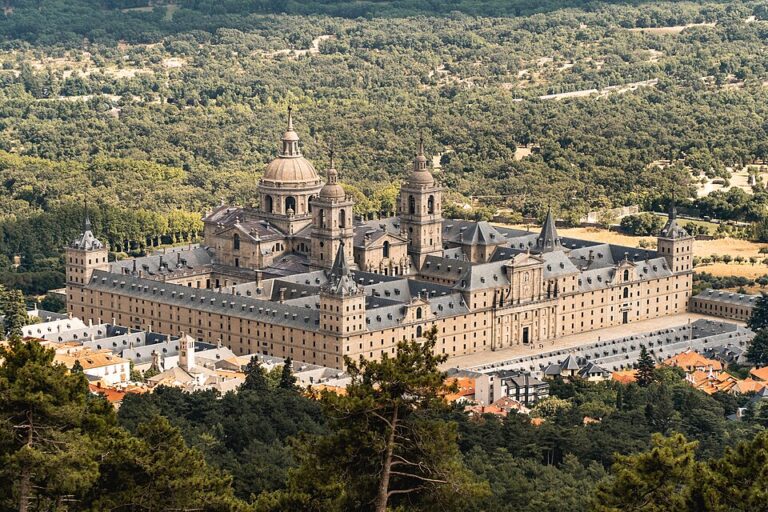
c. 1752 - 1783 · Religious vocal music · The Scorial
Tonality
Without a unique tone. It is a wide repertoire of carols and masses, and each work has its own.
From the atril
As a chapel master of the monastery, Soler had to provide music for the liturgy and the holidays of the year, and he wrote a huge number of vocal works: masses, psalms, lamentations and, above all, more than a hundred villancs. In the 18th century Spain, the villain was a religious piece in Spanish, often with theatrical scenes and popular characters, which were sung at Christmas and other parties.
The carols are the most amazing part. There are pastors, Gypsies, Gallegos and other popular types who speak in their dialects, with rhythms of dance and joyful chills, along with more solemn sections. From the orchestra, with violins and winds, you can see a much less austere Soler than your habit suggested. The masses, on the other hand, show their control of the counterpoint and the Spanish polyoral tradition.
What to hear
- The popular characters of the carols and their dance rhythms.
- The contrast between the festive chills and the coils.
- The counterpoint of the masses, in Spanish tradition.
Listen
Father Antonio Soler - Villanccos - 5. Hunters · Association Coral City of Almería
When you press the YouTube player will be loaded.

