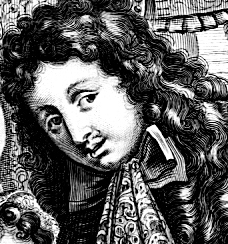
Marc-Antoine Charpentier · Baroque
1643 – 1704
1693 · Tragédie lyrique · Paris, Académie royale de musique
Tonality
Without a unique tone. Like all tragédie in musique, he goes through many tonalities along his scenes, dances and chorus.
Instruments
- Sail to five parts (violins, violas and bass)
- Flutes
- Oboes and fages
- Continuous low (key, tiorba and violas da gamba)
From the atril
While Lully lived, Charpentier could not start any opera at the Académie royale de musique. After Lully's death in 1687, he finally had his chance: Médée, with a libretto by Thomas Corneille, it was released in 1693. It was not successful, partly because of the intrigues of Lully's supporters, who accused Charpentier of being too much. «Italian»and it was his only lyrical tragedy.
Today it is considered one of the most important French operas of the 17th century. The story is that of the Greek myth: Medea, abandoned by Jason by a princess of Corinth, comes with her magic. Charpentier writes a music of harmonic wealth and a dramatic intensity superior to those of Lully, with bold disonances, a very expressive orchestra and great scenes of sorcery, in which Medea invokes demons. The leading role is one of the great challenges for a soprano of the Baroque repertoire. Recovered by William Christie and Les Arts Florissants, he has recovered the place he deserves.
What to hear
- Medea's sorcery scenes.
- The bold disonances of harmony.
- The great monologues of the protagonist.

