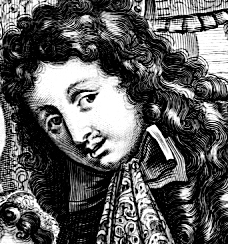
Marc-Antoine Charpentier · Baroque
1643 – 1704
1673 · Comedia-ballet · Paris, Palais-Royal
Tonality
Without a unique tone. It is music for a comedian-ballet, with prologue and intermediate in different tones.
Instruments
- Solo voices and chorus.
- Rope Orchestra, with winds in some numbers.
- Under continuous.
From the atril
For years, Molière had collaborated with Lully in his comedias- ballet. But when Lully obtained the monopoly of the opera from the king and restricted the use of musicians in the other theatres, Molière broke up with him and resorted to the young Charpentier. He malades him imaginaire («The imaginary sick»), released in 1673, was his most famous collaboration, and the last one: Molière felt bad on stage during the fourth performance and died hours later.
I can INTEREST you.

Charpentier's music marks comedy with a pastoral prologue in honor of the king, sung and danced intermediate and a great burlesque final ceremony, in which the hypochondriac Argan is invested in a macaronic Latin. Charpentier writes with humor and agility, mixing French elegance with Italian taste for the melody he had learned in Rome. Lully's restrictions forced him to review the score several times for increasingly smaller orchestras. Today it is a pleasure to hear it next to Molière's text, as it was conceived.
What to hear
- The pastoral prologue.
- Intermediaries sung and danced.
- The final burlesque ceremony in macaronic Latin.

