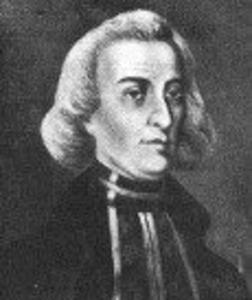
Juan Bautista Cabanilles · Baroque
1644 – 1712
Second half of the 17th century · Organ · Cathedral of Valencia
Tonality
Without a unique tone. There are several passageways, each in a different tone.
Instruments
- Iberian organ
From the atril
The pasacalle was born in Spain as a short rift that guitarists played among the stripes of a song, while «They went through the street.». Over time it became a form of variations on a repeated bass, the same as in France and Italy gave rise to passacaglia. Cabanilles wrote several organ passageways, of the most beautiful of the Iberian repertoire.
I can INTEREST you.

On a bass of four compasses, usually in ternary compas, Cabanilles weaves one variation after another, with increasingly animated figurations, syncups and texture changes. The effect is cumulative and almost hypnotic, as in the Chacona of Pachelbel or the Passaglia of Bach, but with a lighter dance air and very Spanish harmony. For the organist are grateful pieces, which allow to play with the registration in each variation.
What to hear
- The bass repeated in the calf.
- The figurations that are encouraged in each variation.
- The registration changes.
Listen
Juan Bautista Cabanilles: Pasacalles (Difference) · Enrico Zanovello
When you press the YouTube player will be loaded.

