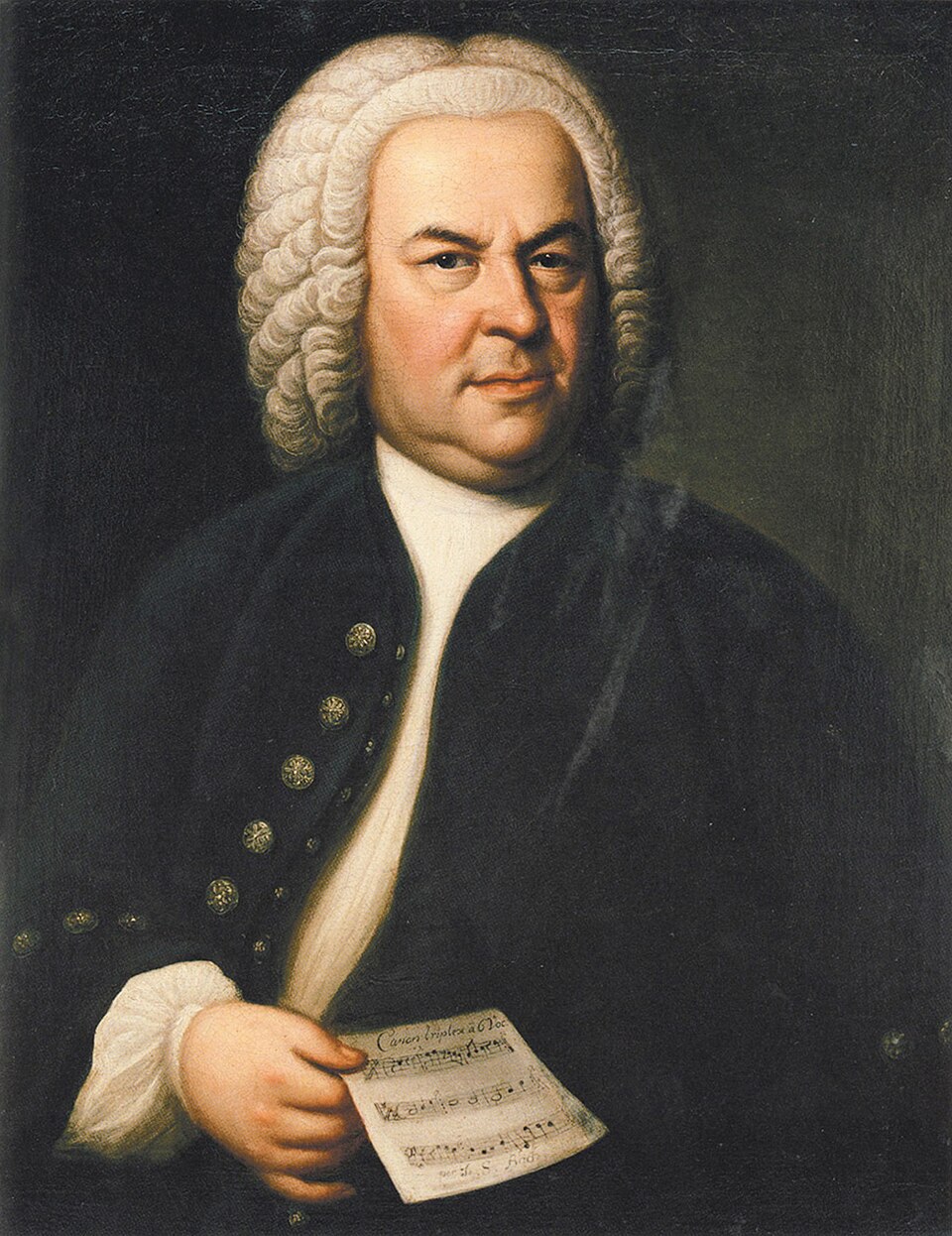
Johann Sebastian Bach · Baroque
1685 – 1750
About 1720 · Cello alone · Köthen
Tonality
Without a unique tone. Suite No. 1 in major sun, No. 2 in r minor, No. 3 in major, No. 4 in My biggest bemol, No. 5 in minor and No. 6 in major.
Instruments
- Cello alone (Suite No. 6, for a five-string instrument)
From the atril
For almost two centuries, the six Cello Suites were considered simple study exercises. It was Pau Casals who, after finding an edition in an old Barcelona bookstore as a teenager, studied them for years and revealed them to the world as masterpieces. His recordings of the 1930s changed the history of the instrument forever.
Each suite starts with a prelude and continues with a series of dances: allemande, coando, sarabande, a couple of intermediate dances (minuets, bourrées or gavotas) and a final giga. The Prelude of No. 1, with its fluid arpegios, is universally known. As they advance, the suites become more demanding: # 5 asks to tune the acute rope a lower tone, and # 6 was written for a five-string instrument, which forces the current shellists to play in high positions. The slow and introspective sarabandas are the heart of each suite.
What to hear
- The Prelude of Suite No. 1 in the big sun.
- The Sarabanda of Suite 5 in do minor.
- The bright Suite No. 6 in a major re.

