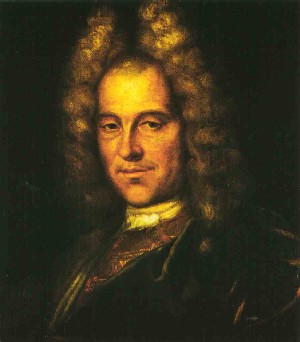
Johann Joseph Fux · Baroque
1660 – 1741
1720 · Mass of the deceased · Vienna
Tonality
Without a single tone indicated in the title. It is a mass of the deceased in several sections, each with its own character, within a serious general climate.
Instruments
- Solo voices and chorus.
- Rope and winds.
- Continuous low (organ).
From the atril
The call Kaiserrequiem, «Imperial réquiem»It is the mass of the deceased that Fux wrote in 1720 for the funeral of the empress widow Leonor Magdalena. His solemnity was so pleased that the court of the Habsburgs reused it in later imperial funerals, hence his name.
It is cutting music, majestic and serious, for soloists, chorus, ropes, corneas and thrombones. Fux combines the old style, with its palestrinian-root polyphony, with the modern concerting style, in which the instruments dialogue with the voices. The result has an imposing nobility but also moments of great recollection, especially in the passages for soloists. The sound of the thrombons next to the chorus, so typical of the Viennese sacra music, anticipates the Mozart Réquiem, who knew this tradition well.
What to hear
- The Intro, solemn and serious.
- The sequence «Dies irae».
- The sound of the thrombons next to the choir.

