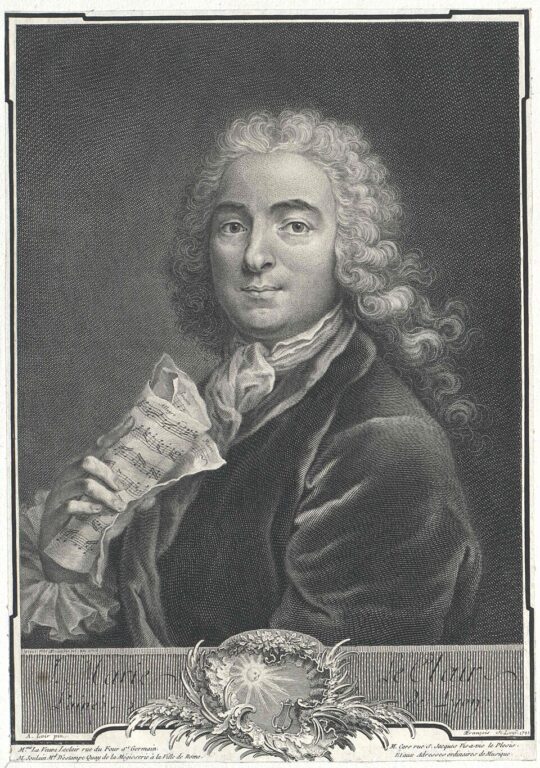
Jean- Marie Leclair · Baroque
1697 – 1764
1746 · Tragédie lyrique · Paris, Opera
Tonality
Without a unique tone. Like all tragédie in musique, he goes through many tonalities along his scenes, dances and chorus.
Instruments
- Rope (violins, violas and bass)
- Flutes, oboes and fages
- Continuous low (key)
From the atril
Scylla et Glaucus is the only opera by Leclair, premiered at the Paris Opera in 1746. It is a lyrical tragedy in a prologue and five acts about a myth of Metamorphosis of Ovidio: the marine god Glauco loves the nymphal Escila, and the sorcerer Circe, jealous, makes her a monster.
I can INTEREST you.

It did not succeed in its time and fell into oblivion until the end of the 20th century, but it is a very remarkable score. Leclair follows Rameau's model, with a rich and colourful orchestra, great dance scenes and a leading role for the sorcerer Circe, whose spell scenes, with dark orchestral effects, are the best of the work. As expected in a violinist, string writing is brilliant and very imaginative. It's a rare thing to find out.
What to hear
- The overture.
- Circe's spell scenes.
- The dances, with a brilliant writing for the rope.
Listen
J.-M. Leclair: «Scylla & Glaucus» Op.11 [Monteverdi Choir / English Baroque Soloists] · Dramma per musica
When you press the YouTube player will be loaded.

