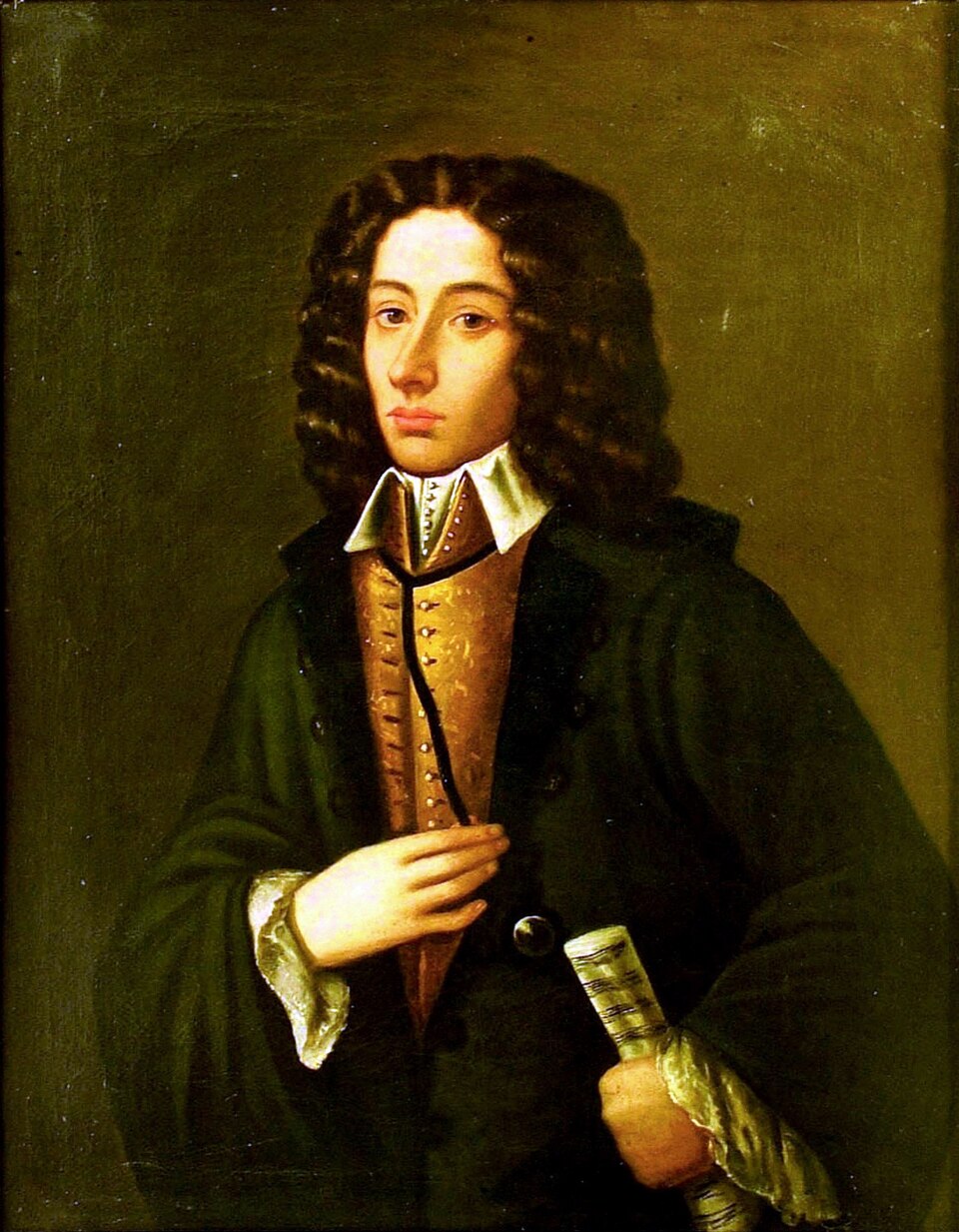
Giovanni Battista Pergolesi · Baroque
1710 – 1736
1736 · Soprano, contralt and ropes · Pozzuoli
Tonality
Fa minor. The initial duo, «Stabat Mater painful»and «Amen» they are in that tone, and the intermediate numbers go through others.
Instruments
- Sail (2 violins and viola)
- Continuous low
From the atril
A Neapolitan fellowship commissioned Pergolesi a Stabat Mater to replace that of Alessandro Scarlatti who sang every Good Friday. He ended up in the convent of Pozzuoli, already very ill with tuberculosis, and died shortly after, in March 1736, at the age of twenty-six. The work became the most reprinted score of the 18th century, and Bach adapted it to a German text.
Written for soprano, contralto and cords, alternates duos and arias in twelve numbers that meditate on Mary's pain before the cross. The first duet, «Stabat Mater painful», is one of the most famous pages of sacra music: the two voices are shriveled in dissonances over a low that advances step by step, like a crying content. At his side are almost operational, light and bright moments, which shocked some contemporaries. The «Amen» the end is a brief and urgent escape.
What to hear
- The dissonances of the initial duo.
- The contrast to the most operational numbers.
- The escape of «Amen» end.

