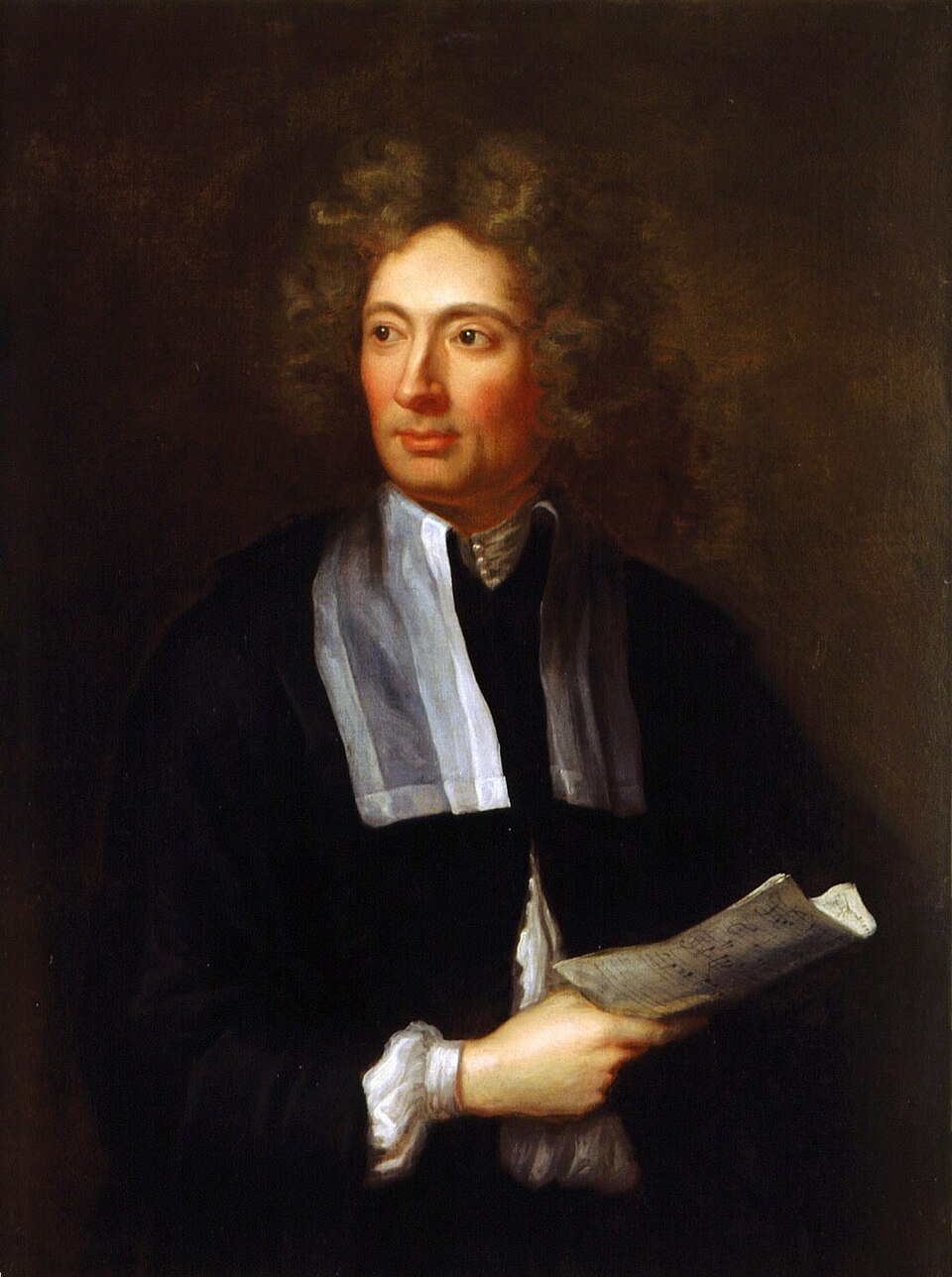
Archangelo Corelli · Baroque
1653 – 1713
1685 - 1694 · 36 sonatas for two violins and continuous · Rome
Tonality
Without a unique tone. It's three collections of twelve sonatas each, and each sonata has his own.
Instruments
- 2 violins
- Violone or archilaúd
- Continuous bass: organ in church sonatas (op. 3) and key in camera sonatas (op. 2 and 4)
From the atril
After op. 1, Corelli published three more books of sonatas in trio following a perfect pattern: op. 2 (1685) and op. 4 (1694) are sonatas «camera», made of dances such as the alemanda, the crescent, the sarabanda or the giga; op. 3 (1689) returns to the sonata «church», more serious and counterpoint. Among the four books are the manual of the Baroque trio that studied violinists from all over Europe for a century.
I can INTEREST you.

In the camera sonatas the continuum changes: the key replaces the organ and the music dances. For violinists the challenge is the character of each dance, the weight of the sarabanda in the second time, the lightness of the giga. The op. 2 also includes a famous bankruptcy: a few parallel fifths in the third sonata that caused a letter controversy with Boloña musicians. Corelli proudly defended them, and today they just sound good.
What to hear
- The color difference between camera sonatas (with key) and church sonatas (with organ).
- The final gigas, full of energy and imitations among the violins.
- The chacone that closes op. 2, on a bass that is repeated with increasingly rich variations.
Listen
12 Trio Sonatas / Sonate da camera, Op. 4 [2 / 3] - Corelli (Score) · Roc Vela
When you press the YouTube player will be loaded.

