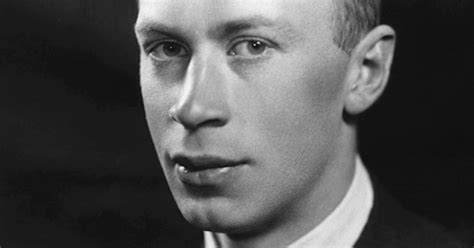
Serguei Prokofiev · 20th century
1891 – 1953
1921 · Opera · Chicago
Tonality
Without a unique tone. Like every opera, he goes through many tonalities throughout his scenes; op. 33.
From the atril
The Chicago Opera was commissioned to Prokofiev shortly after his arrival in the United States, and he wrote his own libretto from a theatrical fable of Venetian Carlo Gozzi. A hipochondriac prince who no one gets to make a laugh in the face of the witch Fata Morgana, and she punishes him with a curse: to fall in love with three oranges. Meanwhile, groups of spectators on stage discuss what kind of work they are seeing, whether tragedy, comedy or farce.
It is a story opera, absurd and full of irony, which premiered in Chicago in December 1921. It has survived the March, a short and grotesque number with the rhythm of toy parade and harmonies that are turned at the least expected moment. Prokofiev included it in the opera's orchestral suite and arranged it for piano, and has become one of its most popular pages. For the orchestra, the secret is to touch it dry and with all the seriousness of the world: this is more fun.
What to hear
- The famous March.
- The interventions of the spectators' choir.
- The orchestral suite that brings together its best numbers.
Listen
PROKOFIEV SERGI - LOVE FRAMEWORK FOR NARANJAS · mahlerthoven
When you press the YouTube player will be loaded.

