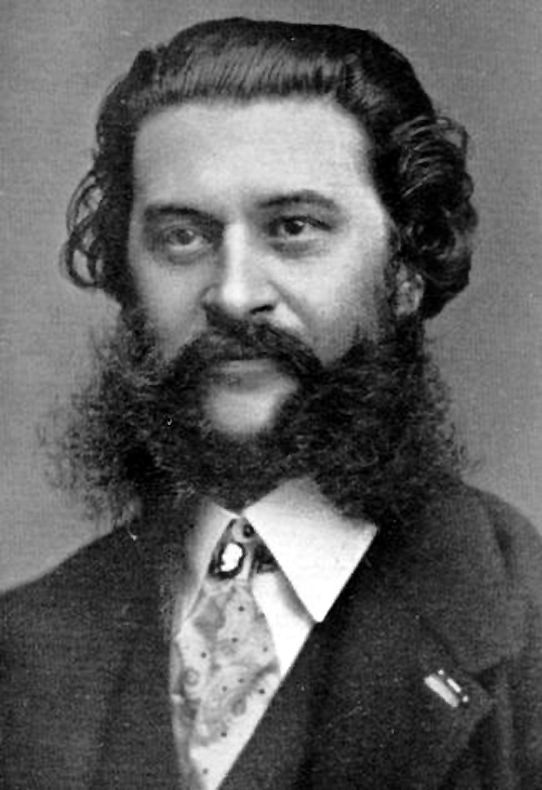
Johann Strauss son · Romanticism
1825 – 1899
1885 · Opera · Vienna, Theater an der Wien
Tonality
Without a unique tone. Like every opera, it runs a lot of tonalities along its numbers.
From the atril
Der Zigeunerbaron («The Gypsy Baron»), released in 1885, was Strauss's greatest theatrical success in life, even above The bat. Based on a novel by the Hungarian Mór Jókai, he is set up in the Banato, in the time of empress Maria Teresa, and tells the story of Barinkay, a young man who returns to his land occupied by Gypsies and falls in love with one of them, Saffi.
It is a more ambitious and serious opera than the previous ones, close to the comic opera, with dramatic scenes, chorus and great orchestral deployment. The music mixes the Viennese waltz with Hungarian and gypsy rhythms: czárdás, marches and zingaro air songs, with passionate violins. The treasure waltz, the horseradish chorus with yunks and the final march are some of its best known moments. The overture, again, is a very grateful piece of concert.
What to hear
- Hungarian and gypsy rhythms.
- The treasure waltz.
- The overture.

