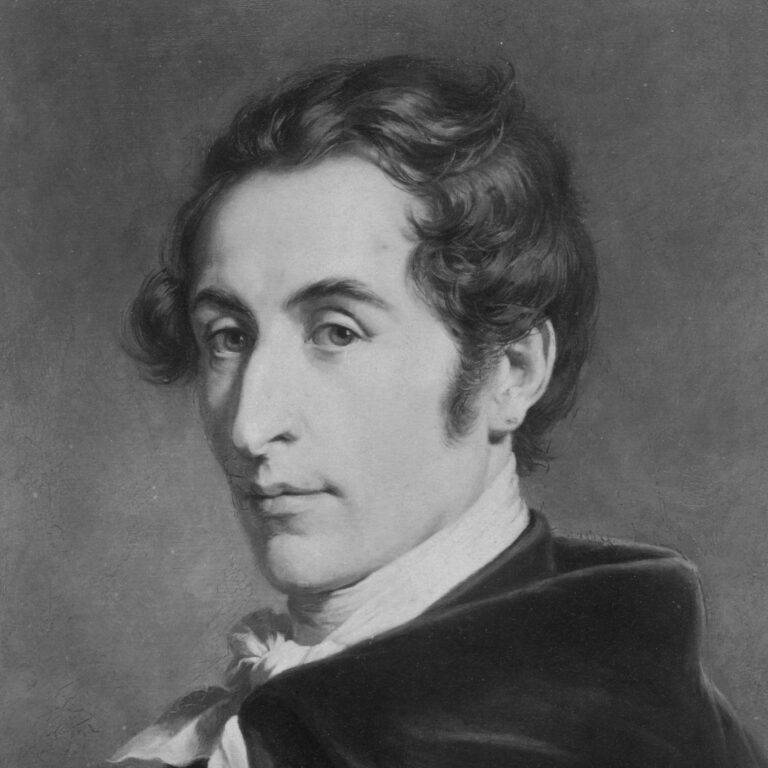
Carl Maria von Weber · Romanticism
1786 – 1826
1819 · Piano (orchestrated by Berlioz in 1841) · Dresden
Tonality
From the atril
Weber wrote it for piano in 1819 and dedicated it to his wife, Caroline. It is the first great concert waltz, designed to listen and not to dance, and opened the way to the waltz of Chopin and Johann Strauss. He also has a small argument, which Weber explained to his wife: a gentleman invites a lady to dance, she doubts, accepts, dances and in the end he accompanies her back to her seat.
I can INTEREST you.

In 1841 Berlioz orchestrated it for the Paris Opera, and it is the most sound version in the rooms today. Since the orchestra, the beginning is delicious: the cello, like the gentleman, makes the invitation and the woods, like the lady, respond with timidity. Then comes the waltz, bright and full of impulse. In the end there is a classic trap: the music seems to end with a great chord, the public applauds, and then returns the cello with the quiet epilogo.
What to hear
- The initial dialogue between the gentleman and the lady.
- The central bright waltz.
- The epilogo after the false end.
Listen
Weber: Aufforderung zum Tanz, Op. 65 (Orch. Berlioz) · Berliner Philharmoniker
When you press the YouTube player will be loaded.

