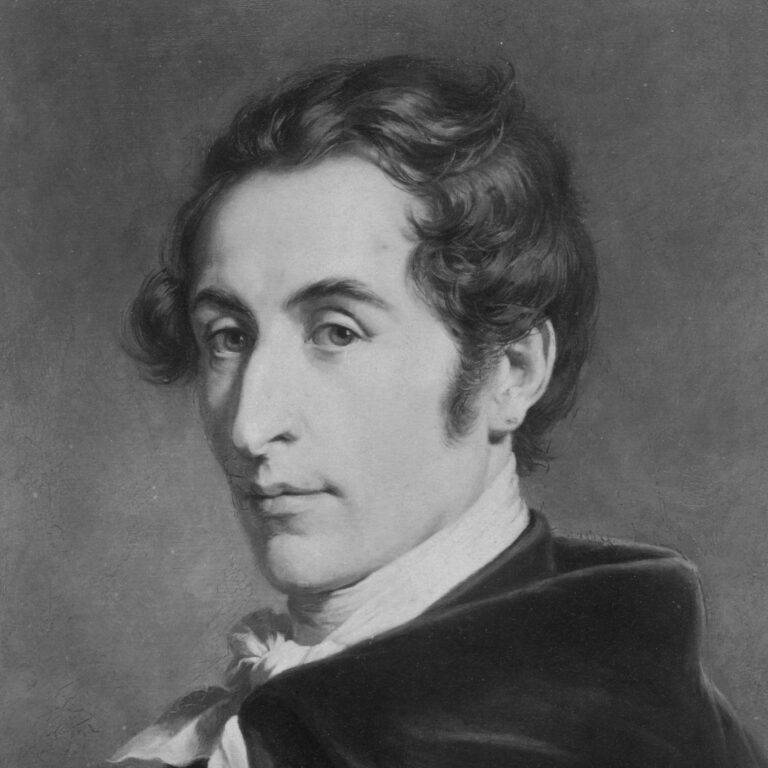
Carl Maria von Weber · Romanticism
1786 – 1826
1823 · Great romantic opera · Kärntnertortheater, Vienna
Tonality
Without a unique tone. Like every opera, it goes through a lot of tonalities. The overture is in My biggest bemol.
From the atril
After the success of Der FreischützWeber wanted to take one more step and write a German opera sung from beginning to end, without talks, on a medieval theme of gentlemen. The commission came from Vienna, and the work was released in 1823. His big problem was the book by Helmina von Chézy, which was confusing and unlikely, and which has been beating the work from the first day: a virtuous lady, Euryanthe, is falsely accused of infidelity by a intriguing gentleman.
The music, on the other hand, is extraordinary, and in the pit it is noted on each page. The overture is brilliant and is often played in concert, with a mysterious passage for satin rope that evokes a ghost. The villains, Lysiart and Eglantine, have dark and chromatic music that announces directly to Ortrud and Telramund in the Lohengrin Wagner's. It's one of those operas that would deserve a better book.
What to hear
- The overture and his passage of the ghost on the rope.
- The music of villains, antecedent of Lohengrin.
- The opera is sung from beginning to end, without dialogue.
Listen
EURYANTHE • Bard SummerScape Opera 2014 · Fisher Center at Bard
When you press the YouTube player will be loaded.

