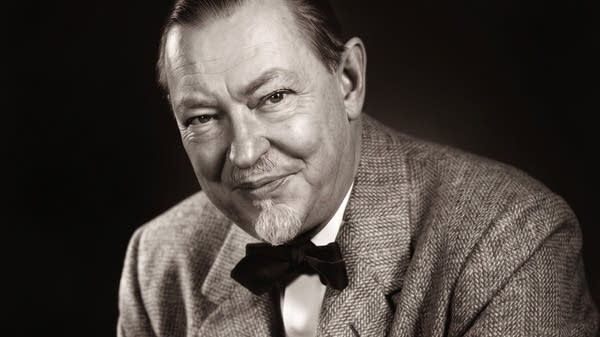
Howard Hanson · Impressionism
1896 – 1981
1925 · Chorus and orchestra · Rochester
Tonality
No tonality indicated in the title.
From the atril
Lament for Beowulf He puts music at the end of the great Anglo-Saxon epic poem: the gaute warriors burn in a pyre the body of their king Beowulf, dead after beating the dragon, raise a tumulus by the sea and weep his loss. Hanson used the English translation of William Morris and A. J. Wyatt, and wrote the work in 1925, shortly after he settled at Rochester as director of the Eastman School.
It is a twenty-minute piece for mixed choir and orchestra, and one of Hanson's most personal. The choir sings almost always in blocks, with archaic-sounding harmonies, while the orchestra creates an atmosphere of mist and fire, with noble metals and serious ostinates. There are moments of great strength, such as the lament of women, and an end that is turned off in a solemn climate. It is a little known work outside the United States, but it shows very well the mixture of Nordic epic and orchestral color that defines the composer.
What to hear
- The orchestral introduction, with its mist atmosphere.
- The central chorus.
- The solemn end, next to the tumulus.

