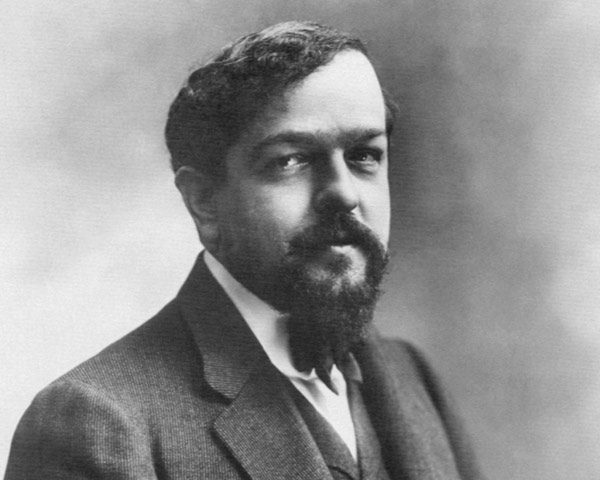
Claude Debussy · Impressionism
1862 – 1918
1913 · Ballet · Théâtre des Champs-Élysées, Paris
Tonality
No stable tonality. It is a ballet of changing harmony, in continuous transformation.
From the atril
The Russian Ballets of Diáguilev premiered in May 1913 with choreography of Nijinsky, and only two weeks later the same company premiered The consecration of spring from Stravinski. The scandal of the latter completely eclipsed the Jeuxwhich for decades was forgotten. The argument is minimal: a young man and two girls are looking for a missing tennis ball in a park at night, and among them a seduction game arises.
Since the orchestra, it is probably Debussy's most advanced score, and the vanguard composers of the 1950s rediscovered it as a model. There are no issues that develop: the music constantly changes tempo, color and motif, in small fragments that happen as furtive looks. For musicians it is very demanding, because you have to be attentive to every nuance and every change of tempo. In the end, a second ball falls on stage, young people flee and music fades away.
What to hear
- The constant changes of tempo and color.
- Fragmentary motifs, like furtive looks.
- The end, with the ball falling and the music fading.
Listen
Debussy: Jeux, Poème dansé, CD 133 · Royal Concertgebouw Orchestra
When you press the YouTube player will be loaded.

