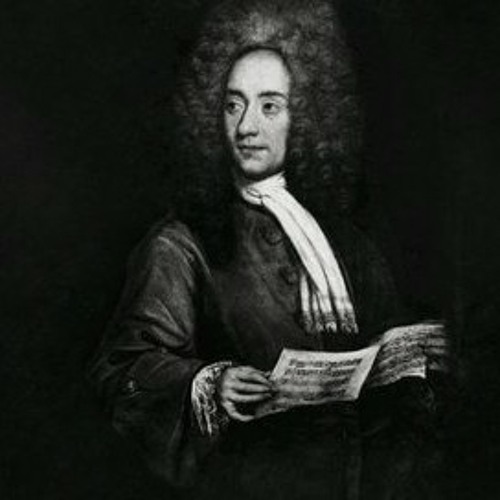
Johann Pachelbel · Baroque
1653 – 1706
End of the 17th century · Three violins and continuous
Tonality
Major. The whole canon is based on an eight-note bass that is repeated without change.
Instruments
- 3 violins
- Continuous low
From the atril
The Pachelbel Canon is probably the most heard baroque piece in the world, playing at weddings, ads and movies. However, for two centuries it was a forgotten work. It was preserved in a single manuscript, first published in 1919 and became famous from a recording of Jean-François Paillard in the late 1960s, in a much slower and more romantic arrangement than the original one.
I can INTEREST you.

The piece is for three violins and continuous. The bass repeats over and over again the same sequence of eight notes, twenty-eight times, as the three violins enter one after another by playing the same melody in canon, increasingly adorned: black, clocks, semicorcheas, arpegios. This combination of hypnotic repetition and constant variation explains its effect. In its original form it is followed by a short and lively giga, almost always omitted. Taken to an agile tempo, as was done at the time, it sounds much more alive than we are used to.
What to hear
- The repeated bass, base of the whole work.
- The successive entries of the violins in canon.
- The giga that completes it.

