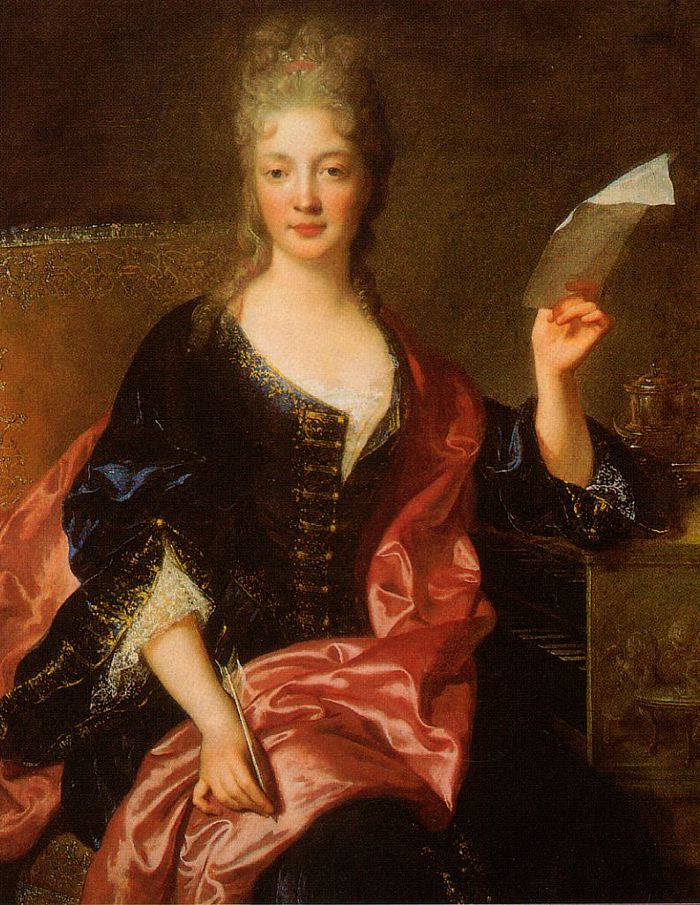
Élisabeth Jacquet de La Guerre · Baroque
1665 – 1729
1694 · Tragédie en musique · Académie royale de musique, Paris
Tonality
Without a unique tone. Like all tragédie in musique, he goes through many tonalities along his scenes, dances and chorus.
Instruments
- Sail to five parts (violins, violas and bass)
- Flutes and oboes
- Continuous low (key)
From the atril
In 1694 the Académie royale de musique, the Paris opera, premiered this tragedy in a prologue and five acts: it was the first time a woman's opera was represented in France. The myth is that of Cephalus and Procris, the wife who dies from jealousy and misunderstanding. The public did not receive it well and had few functions, but today it is valued as a work of high quality.
From the pit it is noted that it follows the model of Lully, with his allegorical prologue in honor of the king, his choirs, his dances and his recites that follow the French's decline. But Jacquet de La Guerre has a voice of his own, especially in moments of lament, of very intense expressiveness, and in a refined instrumental writing. The dances, minuets, gavotes and chacons, are elegant and very dancing. It has recovered in recordings and deserves more scenic presence.
What to hear
- Procris' laments.
- The dances, lully style.
- The choirs of the prologue.

