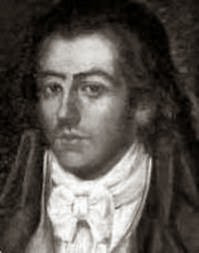
Antonio de Literes · Baroque
1673 – 1747
1700 · Mythological Zarzuela · Madrid
Tonality
Without a unique tone. Like all zarzuela, it goes through many tonalities along its sung and instrumental numbers.
Instruments
- Solo voices and chorus.
- Violins and other rope instruments.
- Continuous bass (key, harp or guitar).
From the atril
The baroque zarzuela has nothing to do with that of the 19th century: it was a courtier show, with mythological themes and an alternation of spoken and sung parts, heiress of the theatrical parties of the Good Retiro. Jupiter and Danae tells the myth of the god that seduces the locked princess turned into a golden rain, and is one of the earliest performing works of Literes, written in the change of century, when the Spanish court passed from the Austrians to the Bourbons.
I can INTEREST you.

Musically it moves between two worlds. There are tones and coils of very Spanish taste, with ternary rhythms and hemiolics that ask for guitar and percussion, and they begin to look at the Italian forms that would soon invade Madrid. For the continuum group it is a very alive music, in which the harp, guitar and key give the color that defines the Spanish baroque theatre.
What to hear
- The ternary rhythms with hemiolias, typical of Spanish theatrical music.
- The color of the continuum with harp and baroque guitar.
- The first Italian-style winks within a still Hispanic language.

